Whistleblowing System and Integrity Transformation

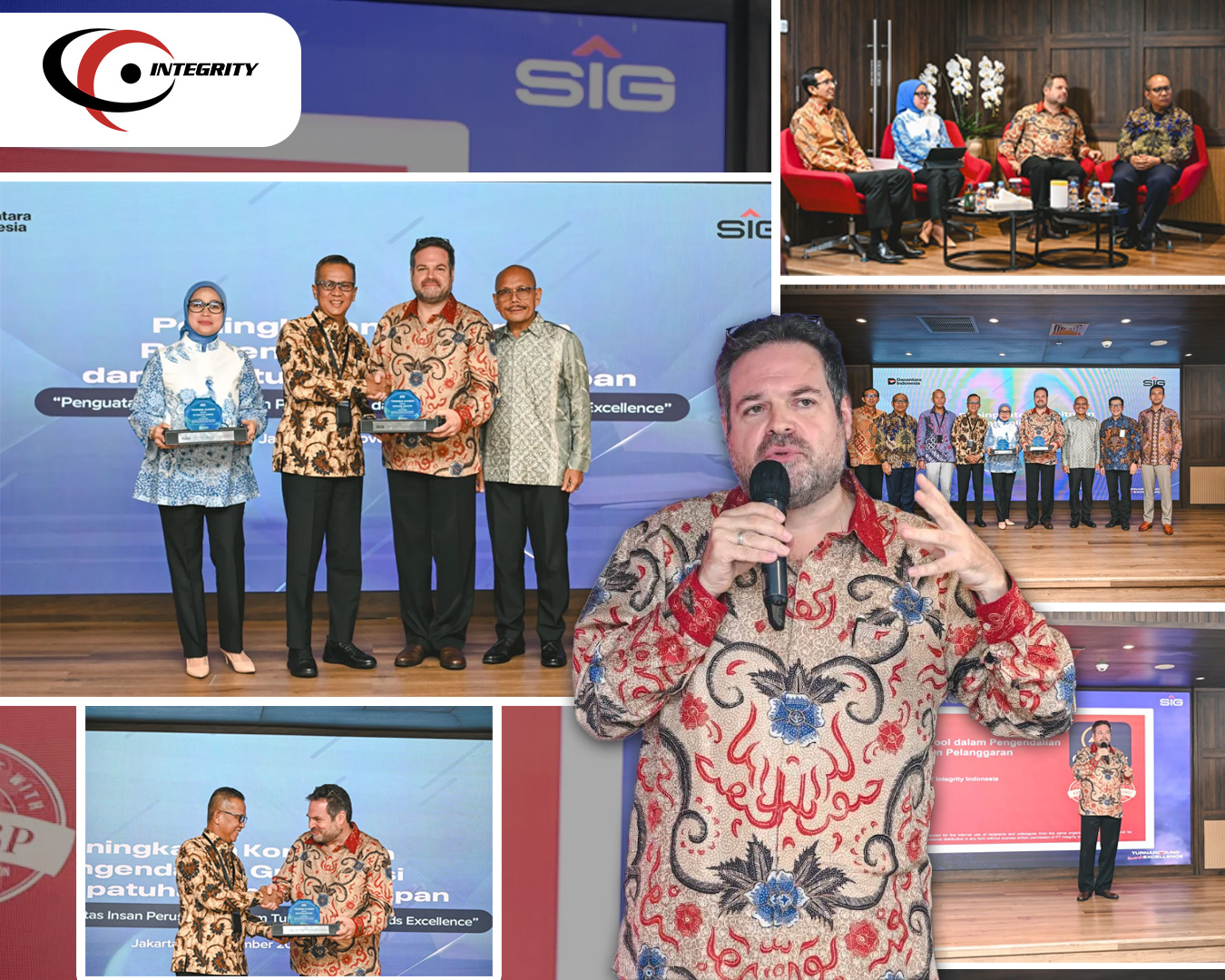
 In commemoration of International Anti-Corruption Day (HAKORDIA) on 9 December, Semen Indonesia Group (SIG) held an internal seminar titled “Strengthening Commitment to Gratification Control and Anti-Bribery Compliance.” The event, which took place on 19 November, is part of SIG’s ongoing educational efforts as a state-owned enterprise (BUMN) to reinforce integrity and enhance the effectiveness of good corporate governance implementation.
HAKORDIA itself stemmed from the awareness among UN member states that corruption brings harmful impacts to social, economic, and governmental development. This awareness eventually led to the establishment of the United Nations Convention Against Corruption (UNCAC) on 31 October 2003. On 9 December, this commitment was realized through the signing of the Anti-Corruption Agreement in Merida, Mexico, a moment later commemorated as HAKORDIA. As of 2023, 187 UN member states have signed the agreement, including Indonesia.
At this year’s HAKORDIA event at SIG, the President Director of PT Integrity Indonesia, Edouard Helfand, serving as SIG’s independent whistleblowing system partner, was present as a speaker to discuss the role of whistleblowing systems in supporting the prevention of violations within the company.
Integrity as Part of SIG’s Transformation
SIG is currently implementing its transformation strategy, “Turnaround Towards Excellence,” which focuses on innovation, collaboration, operational efficiency, and sustainability. In his opening remarks, the President Director of PT Semen Indonesia (Persero) Tbk, Indrieffouny Indra, emphasized that every transformation effort must be grounded in integrity and strong commitment from all members of the organization.
“Transformation is not enough without integrity and heart. Therefore, it requires a commitment of hard work for the advancement of a company owned by the people of Indonesia,” he stated.
The Independent Board of Commissioners, represented by Saor Siagian, also expressed appreciation for the event, considering it a strong reflection of SIG’s commitment to strengthening a culture of compliance. Held in a hybrid format, the seminar was attended by more than 900 participants from various SIG business units and subsidiaries, demonstrating significant interest from SIG in integrity-related issues.
Risks of Gratification and Bribery
The first session was delivered by Ipi Maryati Kuding, Head of Task Force IV of the Anti-Corruption Directorate for State-Owned Enterprises at the Corruption Eradication Commission (KPK). During her session, Ipi highlighted an important point: integrity remains a national issue, and business entities contribute to these challenges. Ipi also outlined various corruption risks, particularly gratification and bribery, that may occur in corporate operations and the potential impacts on reputation and business sustainability.
She also provided practical guidance for individuals in handling gratification, along with mitigation steps companies must implement, one of which is providing effective and trustworthy reporting channels.
Building Trust Through an Independent Whistleblowing System
The next session was delivered by Edouard Helfand, who emphasized the strategic role of whistleblowing systems as fraud detection tools. He explained that various studies show whistleblowing systems are the most effective tools of fraud detection. However, the success of the systems heavily depends on the level of trust whistleblowers have in the system’s independence and confidentiality mechanisms.
According to Edouard, many companies face challenges because potential whistleblowers are reluctant to report due to fear of retaliation or uncertainties about identity protection. Therefore, third-party managed reporting systems offer a solution by providing greater independence and confidentiality, thereby encouraging whistleblowers to come forward.
He further stressed that companies must ensure reporting channels are accessible, secure, and capable of handling reports systematically. Additionally, continuous education and communication with employees, as potential whistleblowers, are essential.
“Having a whistleblowing system is one thing. But if a company does not educate its employees on how to use the whistleblowing system, provides reporting channels that are difficult to access, and fails to investigate the reports received—in other words, if it implements the whistleblowing system merely to meet compliance requirements—then it will not be effective,” he explained.
Canary Whistleblowing System as a Supporting Solution for SIG
In the context of strengthening integrity, Edouard Helfand introduced the Canary Whistleblowing System, a misconduct reporting management service developed by PT Integrity Indonesia. This whistleblowing system complements Integrity Indonesia’s suite of fraud detection services.
Canary is designed to help companies manage reporting independently and professionally while ensuring data security and whistleblower anonymity. Several key features relevant to companies like SIG include:
- Multi-channel reporting (website, email, hotline, and other channels)
- Multi-language support for employees with diverse language backgrounds
- Strong whistleblower identity protection
- A case management system for easy monitoring and documentation
- Investigation support tailored to company needs
Canary enables companies to strengthen the implementation of Good Corporate Governance, support ISO 37001 requirements, adopt whistleblowing standards in accordance with ISO 37002, and serve as an early detection tool to prevent violations that could harm the company.
The participation of Integrity Indonesia as one of the speakers in this seminar demonstrates the importance of professional partners in supporting corporate efforts to prevent corruption and gratification. By utilizing independent systems such as the Canary Whistleblowing System, companies can cultivate a stronger reporting culture and ensure more credible and transparent case management.
Pictures from SIG