Human Rights Due Diligence proposal and its impact on non EU companies


From the cases of child slavery, underpaid workers to violations of the indigenous communities’ rights, business-related violations of human rights have persisted unabated around the globe. If you recall, “Sexy Killers,” the controversial documentary that sparked nationwide debate in 2019, best showed how the interests of businesses eroded human rights and the environment.
Attempts have been made by policy makers to put a halt to these violations. One of them is the Proposal for a “Directive on Corporate Sustainability Due Diligence” issued by The European Commission on 23 February 2022.
Based on the press release, the proposal aims to foster sustainable and responsible corporate behavior throughout global value chains. This directive requires companies to conduct human rights due diligence (HRDD), which will help to identify, assess and respond to any real or potential risk of human rights violations. Companies that fail to undertake appropriate due diligence or adopt preventive or corrective actions face administrative fines, as well as legal liabilities.
This long-awaited proposal will be a game-changer, especially for big players in the EU, and will have an impact on how business works outside the EU.
What is Human Rights Due Diligence (HRDD)?
Human rights due diligence is the ongoing process companies must carry out to identify, prevent, mitigate, and account for how they address actual and potential human rights impacts in their operations, subsidiaries, and supply chains. The concept was first articulated in the United Nations Guiding Principles on Business and Human Rights (UNGPs), which outline the corporate responsibility to respect human rights.
The EU Directive proposal transforms these voluntary principles into binding legal requirements. According to the European Commission’s press release, the proposal aims to foster sustainable and responsible corporate behavior throughout global value chains. It obliges companies to conduct HRDD to identify, assess, and respond to any real or potential risks of human rights and environmental violations.
Companies that fail to perform appropriate due diligence or to adopt preventive and corrective measures will face administrative fines and legal liabilities. This means HRDD will no longer be optional, it becomes a legal duty.
The subjects and the impact
Basically, this proposal will apply to large companies operating in Europe. More specifically, a company with more than 500 employees and a worldwide net turnover of 150 million euros.
In addition, this regulation will also apply to companies that do not meet the main criteria but are engaged in high-impact sectors (agriculture, mining, textiles, etc.) and have more than 250 employees with a worldwide net income of 40 million euros.
The draft also states that non-European companies that are active in Europe with a net turnover threshold in line with the ones previously mentioned are also required to implement HRDD.
While medium and small companies are exempt from this regulation, it should be underlined that this regulation will apply not only to the companies themselves, but also to their subsidiaries, and third parties. This implies that non-European companies, those that do not meet the standards or are exempt, yet are involved in the supply chain of companies subject to the regulation, must consider the impact the regulation would have on them indirectly.
As an illustration, a medium-sized Asian company, which is part of the supply chain of the company subjected to the regulation may be required to assure to comply with the code and conduct and more information on their activities’ human rights and environmental effects.
Development of the policy
Apart from the EU directive, HRDD is not a new concept for some countries outside the EU, particularly in Asia. The United Nations Guiding Principles on Business and Human Rights (UNGPs) have placed a strong emphasis on HRDD practices.
Some Asian nations, notably India, Malaysia, Mongolia, and Vietnam, have formed the National Action Plan (NAP) on business and human rights in response. NAP is a document that can be used as a policy instrument for the state to articulate priorities and actions to be implemented supporting national, regional, and international obligations and commitments, relating to certain policy areas.
Indonesia itself became the first country in Southeast Asia to launch NAP on Business and Human Rights, which was initiated by the National Commission of Human Rights (Komnas HAM) and Lembaga Studi dan Advokasi Masyarakat (ELSAM). Even though this NAP is in effect internally only in Komnas HAM, the government has appointed a focal point from the Ministry of Law and Human Rights to consolidate and encourage NAP to be approved by the government.
Why Businesses Must Prepare
The global momentum behind human rights due diligence is clear. The EU directive is expected to inspire similar laws in other regions, setting a global benchmark for corporate responsibility. For non-EU companies, this is not merely a compliance issue, it’s a strategic opportunity to enhance transparency, build resilience, and future-proof their operations.
Businesses that begin implementing HRDD early will be better positioned to maintain access to European markets, attract ethical investment, and avoid reputational damage. On the other hand, companies that ignore these developments risk exclusion from international supply chains or facing legal and financial consequences.
Ultimately, human rights due diligence represents a shift toward a more ethical and sustainable global economy. By embedding respect for human rights into every stage of their operations, companies can contribute to a business environment that values both profitability and human dignity.
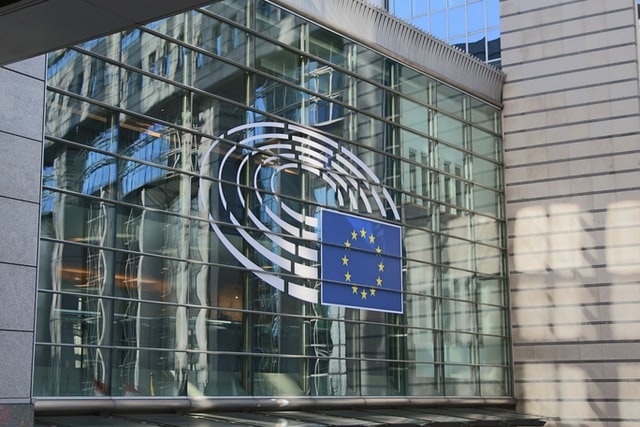
Photo by Guillaume Périgois on Unsplash