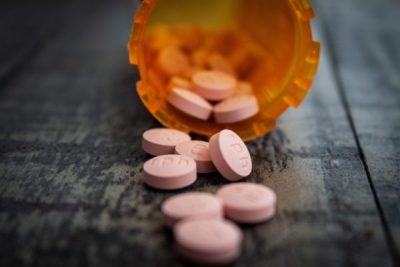
Counterfeit medicines: A Growing Threat to Brands and Consumers

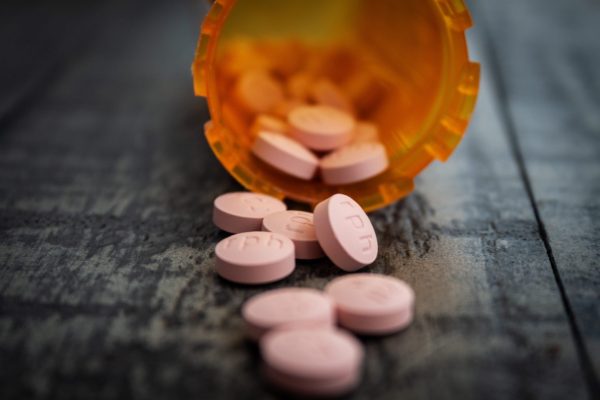
Counterfeit medicines are a serious threat to public health and brand reputation. These products can contain the wrong ingredients, incorrect doses, or no active ingredients at all. In some cases, they may contain substances that can cause serious harm.
For pharmaceutical companies and other brand owners, the risks go beyond consumer safety. Counterfeit products can also lead to:
- Revenue losses
- Damage to brand reputation
- Loss of customer trust
- Legal and regulatory problems
- Increased costs to protect intellectual property
The COVID-19 pandemic made the problem even more difficult. Demand for medicines increased, while more consumers turned to online shopping. This created new opportunities for counterfeiters to reach customers through e-commerce platforms and other online channels.
For brands, protecting against counterfeit medicines requires more than responding to individual cases. Companies need to detect, investigate, remove, and monitor counterfeit products across both online and offline channels.
What Are Counterfeit Medicines?
Counterfeit medicines are products that are falsely represented as legitimate medicines. They may use the name, packaging, branding, or other identifying information of an authorized product without permission.
Counterfeit medicines may contain:
- The wrong active ingredient.
- The wrong amount of an active ingredient.
- No active ingredient.
- A combination of incorrect ingredients.
- Harmful or unsafe substances.
These products are often manufactured and distributed outside legal and regulatory controls. As a result, consumers cannot be sure what they are buying or taking.
Counterfeit medicines can therefore create serious risks for both consumers and legitimate pharmaceutical brands.
How Counterfeit Medicines Affect Brands
The impact of counterfeit medicines goes beyond lost sales.
When counterfeit products carry a legitimate brand’s name or packaging, customers may blame the brand if the product causes harm or fails to work.
Brand owners may face several risks:
Financial losses
Counterfeit products compete directly with legitimate products. Every counterfeit sale can mean lost revenue for the brand owner.
Brand reputation damage
Consumers may associate poor product quality or harmful effects with the legitimate brand, even when the company did not produce the counterfeit product.
Loss of customer trust
Customers who receive a counterfeit product may lose confidence in the brand. This can affect future purchases and long-term customer relationships.
Legal and regulatory risks
Counterfeit products can trigger investigations and enforcement action. Brand owners may also need to work with regulators, marketplaces, and law enforcement agencies to remove illegal products.
Intellectual property infringement
Counterfeiters may copy trademarks, packaging, product names, and other intellectual property to make illegal products appear legitimate.
For pharmaceutical brands, these risks make brand protection an important part of business risk management.
How Integrity Indonesia Supports Brand Protection
Integrity Indonesia has more than two decades of experience helping businesses manage integrity and compliance risks.
Our brand protection services cover the key stages of counterfeit investigation, from detection to enforcement.
We can support brands through:
- Online and offline detection of counterfeit products.
- Investigation of sellers, distributors, and other parties involved.
- Marketplace takedowns of infringing listings.
- Continuous monitoring to identify repeat or new infringements.
- Support for enforcement action based on investigation findings.
We also work with marketplace platforms to help remove infringing products and monitor online channels for repeat activity.
If your brand is facing counterfeit products, unauthorized sellers, or other forms of infringement, early action can help limit the damage.
Protect your brand before counterfeit products become a bigger risk. Explore Integrity Indonesia’s Brand Protection Services to learn how we can help detect, investigate, and mitigate counterfeit activity.
Why the Online Market Makes Counterfeit Medicines Harder to Control
The growth of e-commerce has made it easier for counterfeiters to reach consumers.
Online platforms provide several advantages to counterfeit sellers:
- They can reach customers across multiple locations.
- Setting up an online store is relatively easy.
- Sellers can change accounts when one account is removed.
- Counterfeit products can be advertised alongside legitimate products.
- Sellers may hide their identity or business location.
During the COVID-19 pandemic, these risks became more visible. Physical distancing and store closures pushed more consumers toward online shopping. At the same time, demand for medicines and health products increased.
This created more opportunities for counterfeit products to enter online marketplaces and reach consumers directly.
For brand owners, removing one listing is therefore not always enough. A counterfeit seller may simply create a new account or move to another platform.
Common Signs of Counterfeit Medicines
Brands, marketplaces, and consumers can look for warning signs that may indicate a counterfeit product.
These can include:
- Unusually low prices.
- Poor-quality packaging or printing.
- Spelling or labeling errors.
- Product information that does not match the legitimate product.
- Unusual seller names or account details.
- Products sold through unauthorized channels.
- Missing or suspicious batch numbers and expiry information.
- Sellers offering large quantities without proper authorization.
These signs do not automatically prove that a product is counterfeit. However, they can help identify listings or sellers that require further investigation.
How Can Brands Combat Counterfeit Medicines?
Counterfeit products can appear across multiple channels. This makes a coordinated brand protection strategy essential.
A comprehensive approach can include four key steps:
1. Detect Counterfeit Products
The first step is finding counterfeit products before they cause greater damage.
Brands can monitor:
- E-commerce marketplaces.
- Social media platforms.
- Websites and online stores.
- Search engine results.
- Physical stores and distribution channels.
Online monitoring can help identify suspicious listings, sellers, and product advertisements.
2. Investigate Sellers and Distributors
Finding a counterfeit listing is only the first step.
Brands may need to determine who is behind the sale and how the products enter the market.
An investigation can help identify:
- The seller.
- The distributor.
- Other parties involved in the supply chain.
- The source of the counterfeit products.
- Links between different sellers or accounts.
These findings can help brands decide on the appropriate next steps.
3. Take Down Infringing Listings
Once counterfeit products are identified, brands can work with marketplaces and other platforms to request their removal.
Depending on the case, brands may also work with:
- Marketplace operators.
- Government authorities.
- Law enforcement agencies.
- Customs authorities.
- Other relevant stakeholders.
A coordinated response can help remove counterfeit products and reduce their availability to consumers.
4. Monitor for Repeat Infringement
Removing one counterfeit listing does not mean the problem is over.
Sellers may create a new account, change the product listing, or move to another platform.
That is why continuous monitoring is important.
Brands can monitor for:
- Repeated listings of the same counterfeit product.
- New seller accounts.
- New websites or online stores.
- Changes in product names or descriptions.
- Counterfeit products appearing on new platforms.
Ongoing monitoring helps brands identify repeat offenders and respond more quickly.
Also Read:
The Role of Digital Influencers in Distributing Counterfeit Products
Purchase decision of counterfeit items is 10% influenced by social media endorsement
The Covid-19 Pandemic, a Lucrative Market for Counterfeit Health Products
Why Brand Protection Matters
Counterfeit medicines create a shared problem for consumers, governments, marketplaces, and brand owners.
For brands, the challenge is not only stopping counterfeit sales. It is also about protecting the trust, reputation, and value built around the brand.
An effective brand protection strategy can help companies:
- Detect counterfeit products earlier.
- Protect customers from potentially harmful products.
- Reduce revenue losses.
- Protect intellectual property.
- Preserve brand reputation.
- Support enforcement and legal action.
The right strategy depends on the brand, product, market, and channels where counterfeits appear.